Electric Kettle Stainless Steel Safety Uses
If you are planning to buy a kettle or already using one, you may wonder: What are the electric kettle stainless steel safety uses? I had the same question when I bought my first kettle for my kitchen. An electric kettle is one of the most useful small appliances in our home. From boiling water quickly to making tea, coffee, or even instant noodles, it saves time and energy. But safety matters especially when electricity and heat are involved. what it is, how it works, why stainless steel is safer, how to use it properly and what precautions we should take.
What Is an Electric Kettle and How Does It Work?
An electric kettle is a small kitchen appliance that heats water using an internal heating element. When we plug it in and switch it on, electricity flows to the heating coil, and water heats up quickly. This feature makes it safer than heating water on a gas stove.
Main Parts of a Stainless Steel Electric Kettle
- Cool-touch handle
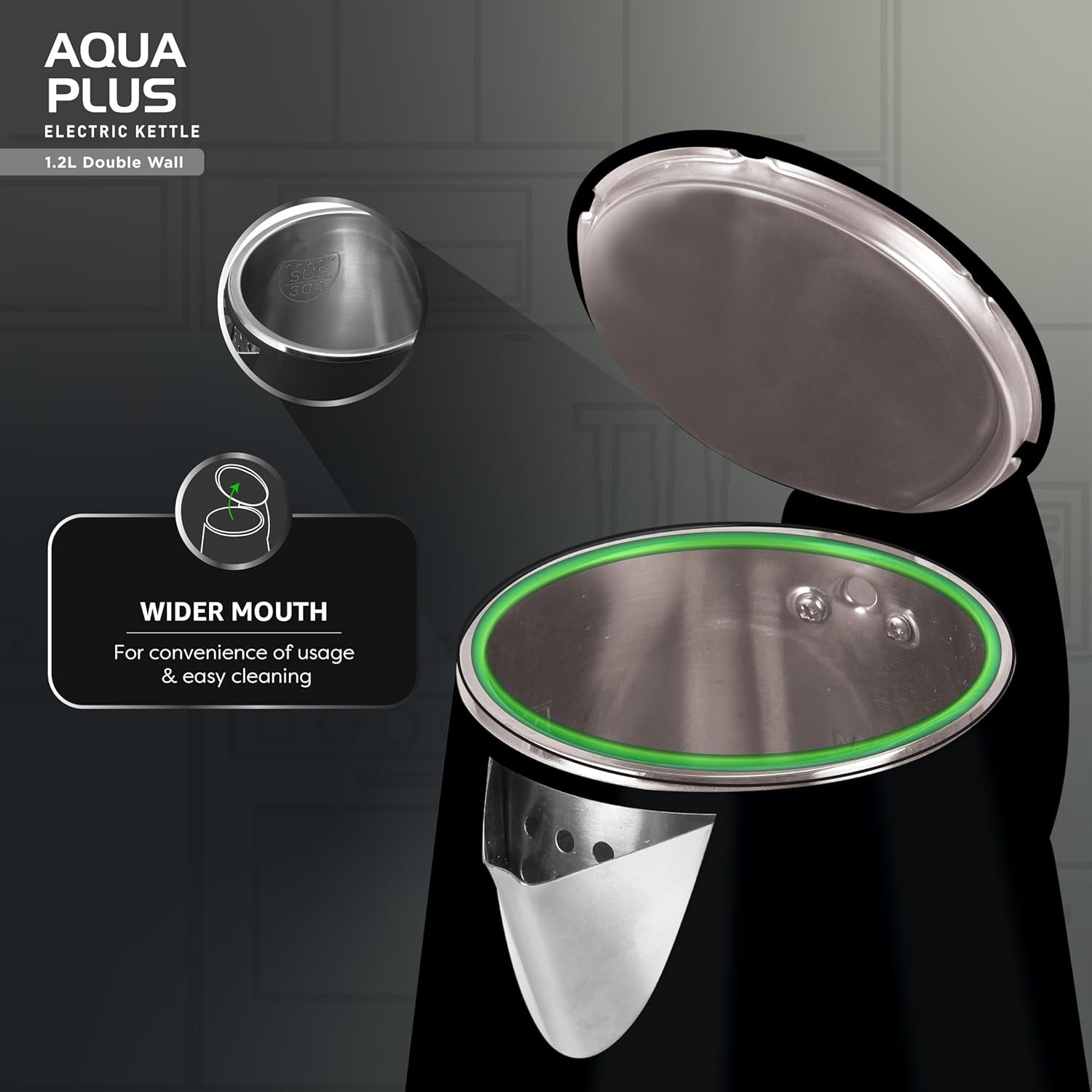
- Stainless steel body
- Heating element
- Lid with locking system
- Water level indicator
- Automatic shut-off system
Electric Kettle Stainless Steel Safety Uses
Now let’s understand why stainless steel kettles are considered safe and how we can use them properly.
1. Safe for Boiling Drinking Water
Stainless steel is a food-grade material. It does not release harmful chemicals when heated. That is why many kitchen utensils are made from stainless steel. Compared to plastic kettles, stainless steel models reduce the risk of chemical leaching when boiling water. You can read more about stainless steel safety from U.S. Food and Drug Administration guidelines on food-contact materials.
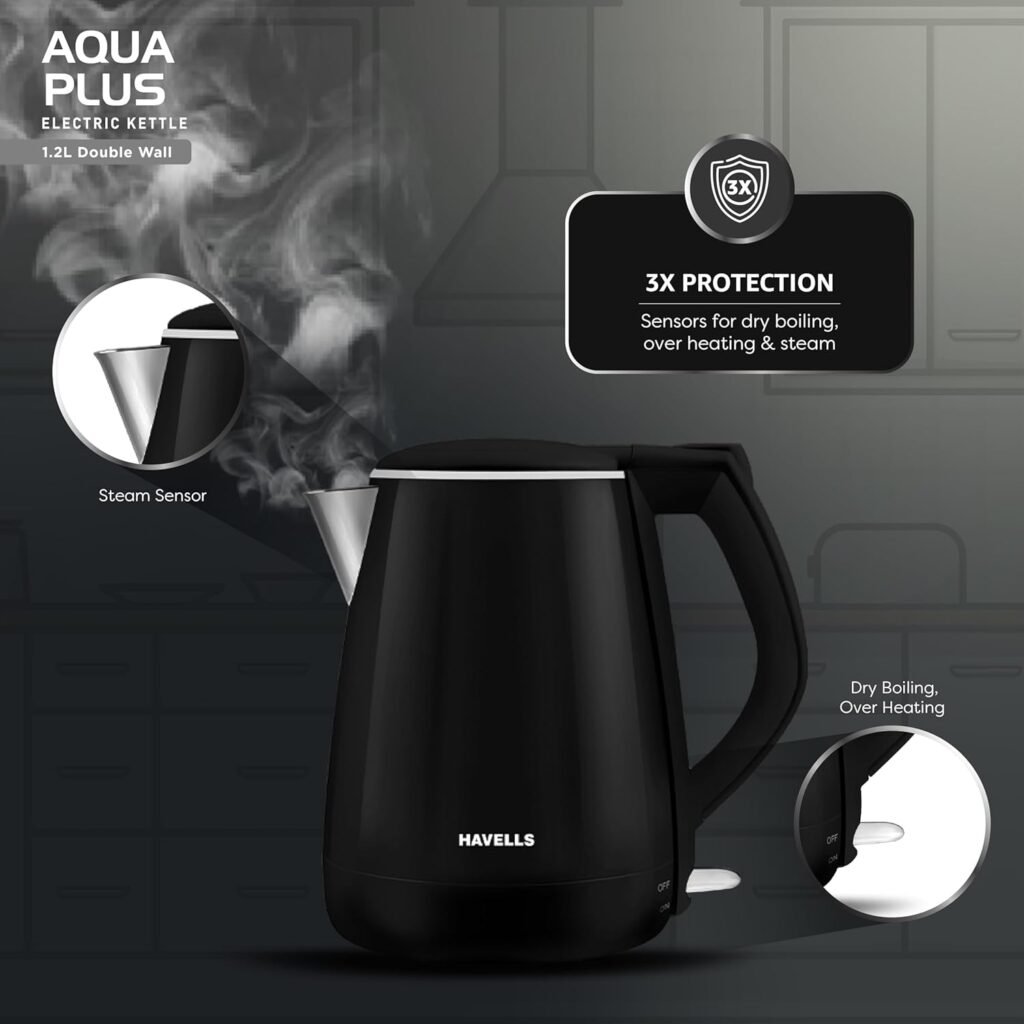
2. Automatic Shut-Off for Overheating Protection
Most modern kettles have:
- Auto shut-off
- Boil-dry protection
- Thermal fuse system
If you forget to switch it off, the kettle turns off automatically once water boils. If there is no water inside it stops heating to prevent damage. This is one of the biggest electric kettle stainless steel safety uses in daily life.
3. Rust-Resistant and Durable
High-quality stainless steel does not rust easily. This means:
- No contamination in water
- Long product life
- Less maintenance
4. Safe for Multiple Kitchen Tasks
You can use a stainless steel kettle for:
- Boiling water for tea and coffee
- Preparing baby formula (after proper cooling)
- Instant noodles and soup
- Oatmeal
- Hot water for cooking
But always use it only for water unless the manufacturer allows other liquids.
Why Stainless Steel Is Better Than Plastic Kettles
Many people ask me, “Should I buy stainless steel or plastic kettle?”
Benefits of Stainless Steel
- No plastic smell
- No BPA concerns
- Strong and long-lasting
- Easy to clean
- Better heat retention
Plastic kettles may be cheaper, but stainless steel feels safer and more premium.
How to Use a Stainless Steel Electric Kettle Safely
Let me explain step by step.
Step 1: Fill Water Properly
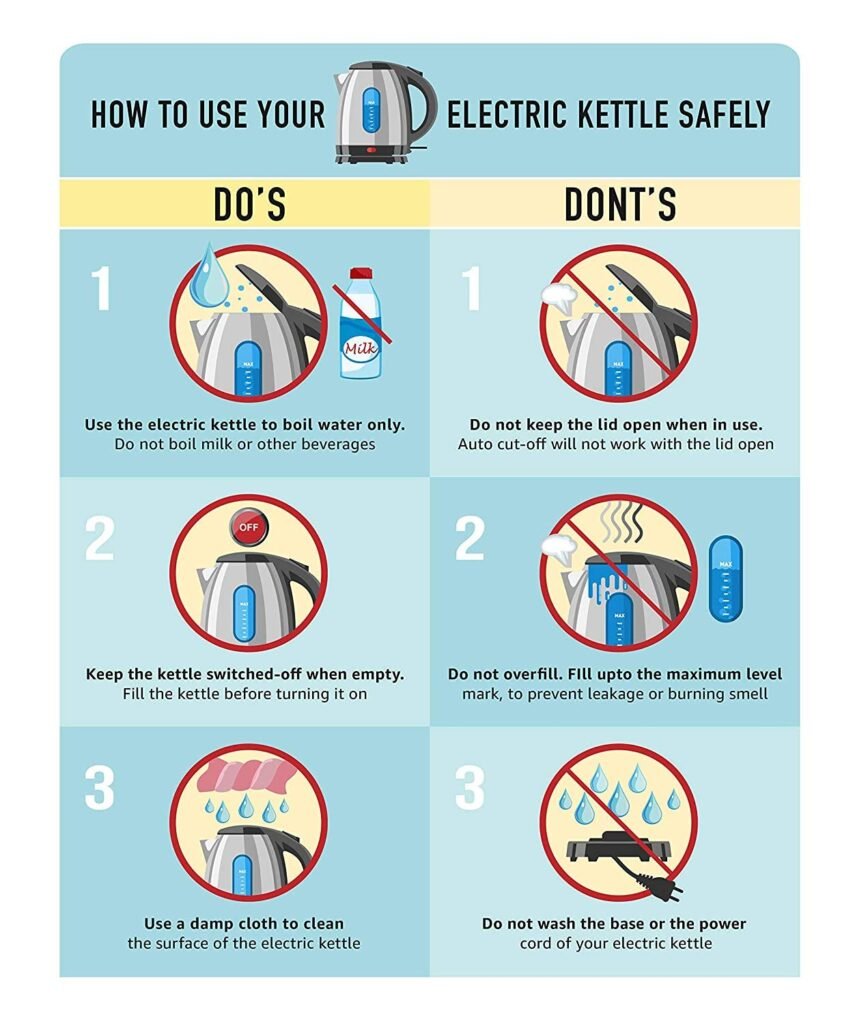
- Do not exceed the maximum mark
- Do not fill below the minimum mark
Step 2: Close the Lid Tightly
Loose lids may cause steam leakage.
Step 3: Place on Flat Surface
Always keep it on a dry and stable surface.
Step 4: Plug and Switch On
Wait for automatic shut-off.
Step 5: Unplug After Use
Even though it switches off automatically, unplugging adds extra safety.
Important Safety Precautions
Here are some important tips I always follow:
- Never immerse the kettle base in water
- Keep away from children
- Do not touch the body while boiling
- Clean regularly to avoid scale buildup
- Use original power cord only
Hard water can cause mineral deposits. You can descale it using vinegar and water mixture once a month. You can learn more about hard water and mineral build up from World Health Organization resources on water quality.
Common Mistakes to Avoid
Many beginners make these mistakes:
- Turning on kettle without water
- Overfilling beyond maximum level
- Using it for milk (not recommended)
- Not cleaning for months
- Pulling the cord roughly
Avoiding these mistakes improves safety and lifespan.
How to Maintain Your Stainless Steel Kettle
Maintenance is simple.
Weekly Cleaning
- Wipe exterior with soft cloth
- Rinse interior
Monthly Descaling
- Fill half water + half vinegar
- Boil once
- Rinse 2–3 times
This keeps the heating element clean and efficient.
Energy Efficiency and Safety
Electric kettles are energy-efficient because:
- They heat water faster than gas
- They use less electricity
- They reduce heat waste
Stainless steel models also retain heat better, meaning less reheating.
Who Should Buy a Stainless Steel Electric Kettle?
I recommend it for:
- Students
- Working professionals
- Small families
- Office use
- PG and hostel rooms
It is compact, portable, and easy to use.
Internal Link Suggestions
For better SEO structure, you can internally link this blog to:
- “Best Stainless Steel Electric Kettle Under Budget”
- “How to Clean Electric Kettle at Home”
- “Electric Kettle vs Gas Stove – Which Is Better?”
- Product page for your stainless steel kettle collection
FAQ – People Also Ask
1. Is a stainless steel electric kettle safe for health?
Yes, stainless steel is considered food-safe and does not release harmful chemicals when heating water.
2. Can I boil milk in a stainless steel electric kettle?
Most manufacturers recommend boiling only water. Milk may damage the heating element and cause burning.
3. How often should I clean my electric kettle?
Light cleaning weekly and deep descaling once a month is ideal.
4. Does stainless steel kettle consume more electricity?
No. It is energy-efficient and boils water faster than many traditional methods.